Siemens PLC Modular Library Development Guide – TIA Portal & IEC 61131-3 OOP-Aligned Engineering Handbook
$4.99
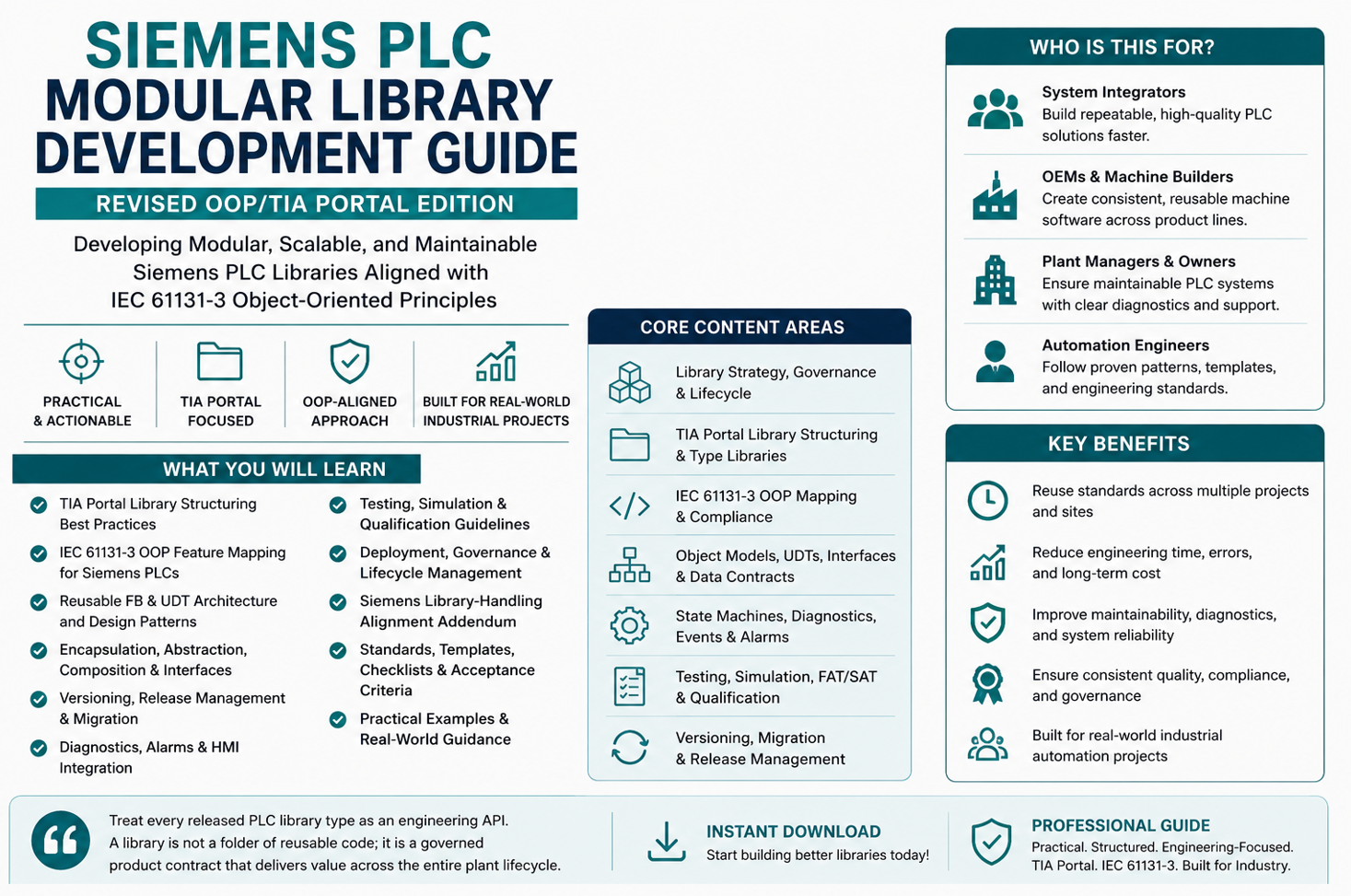
A professional engineering guide for developing modular, scalable, reusable, and maintainable Siemens PLC libraries in TIA Portal. Designed for system integrators, OEMs, automation engineers, and plant managers who want structured PLC software libraries aligned as far as practicable with IEC 61131-3 object-oriented programming principles.
Description
Build Siemens PLC libraries like long-life industrial software assets — not one-off project code.
This guide is a practical engineering handbook for developing modular, scalable, reusable, and maintainable PLC libraries for Siemens S7-1200 and S7-1500 systems using TIA Portal. It is written for system integrators, OEMs, machine builders, automation consultants, and plant engineering teams who want to standardize PLC software across multiple machines, production lines, sites, and projects.
Instead of treating PLC blocks as isolated code fragments, this guide explains how to structure them as reusable engineering components with clear interfaces, version control discipline, testing expectations, diagnostics, documentation, and lifecycle governance.
The guide focuses on Siemens TIA Portal library handling, including project libraries, global libraries, type libraries, master copies, type-instance concepts, corporate library workflows, release states, versioning, dependency management, and practical deployment to production projects.
It also explains how Siemens PLC library development can be aligned as far as practicable with IEC 61131-3 object-oriented programming principles, using Function Blocks, UDTs, encapsulation, abstraction, composition, state machines, reusable interfaces, diagnostics contracts, and disciplined data structures.
What this guide helps you do
Develop reusable Siemens PLC blocks that are easier to test, maintain, upgrade, and deploy.
Create standard motor, valve, drive, sequence, alarm, diagnostics, and machine-module libraries.
Structure TIA Portal libraries for real project use by system integrators, OEMs, and plant teams.
Apply object-oriented thinking in Siemens PLC development using IEC 61131-3-aligned patterns.
Avoid uncontrolled copy-paste PLC programming and reduce long-term maintenance cost.
Improve consistency across PLC, HMI, SCADA, and machine-standard implementations.
Define clear rules for naming, versioning, documentation, testing, library release, and migration.
Key topics covered
1. Siemens TIA Portal Library Architecture
Project libraries, global libraries, type libraries, master copies, type-instance concepts, library folders, reusable types, and corporate library governance.
2. IEC 61131-3 OOP-Aligned PLC Design
Encapsulation, abstraction, composition, reusable Function Blocks, UDT-based interfaces, FB contracts, state-machine patterns, and practical Siemens limitations.
3. Modular PLC Software Architecture
How to design reusable control modules for motors, valves, drives, analog instruments, sequences, units, equipment modules, and machine functions.
4. Library Structuring in TIA Portal
Recommended folder structures, type organization, dependency-first design, release areas, development libraries, transfer libraries, corporate libraries, and plant-project use.
5. Versioning and Release Management
Major/minor/patch logic, released versions, obsolete/discontinued types, default versions, migration notes, and project upgrade discipline.
6. Diagnostics and Maintainability
Standardized status words, error IDs, alarm integration, diagnostic messages, simulation hooks, HMI faceplate alignment, and plant-friendly troubleshooting.
7. Testing and Qualification
Test projects, simulation support, factory acceptance test expectations, regression testing, dependency checks, library release checklists, and documentation packs.
8. System Integrator and OEM Workflow
How integrators, developers, users, and plant teams should collaborate around a controlled Siemens PLC library lifecycle.
Who should buy this guide?
This guide is ideal for:
System integrators developing Siemens PLC standards
OEMs and machine builders creating reusable machine libraries
Plant managers wanting maintainable automation standards
PLC/SCADA engineers working with TIA Portal
Automation consultants offering Siemens library development services
Controls engineers responsible for standard motor, valve, drive, sequence, and diagnostic blocks
Engineering managers who want to reduce project-specific PLC code duplication
Why this guide is useful
Many PLC projects become difficult to maintain because every machine, line, or engineer creates slightly different blocks. Over time, the plant inherits inconsistent logic, undocumented parameters, duplicated code, weak diagnostics, and risky upgrade paths.
This guide shows how to move from project-by-project PLC programming toward a controlled library-based engineering model.
The result is better consistency, faster commissioning, easier troubleshooting, safer upgrades, and stronger long-term supportability.
Important note
This is an engineering guide and reference document. It does not replace Siemens official product documentation, project-specific validation, safety assessment, cybersecurity review, or site acceptance testing. Users remain responsible for verifying all library blocks in their own TIA Portal version, PLC hardware, plant architecture, and operational environment.
Related products
-
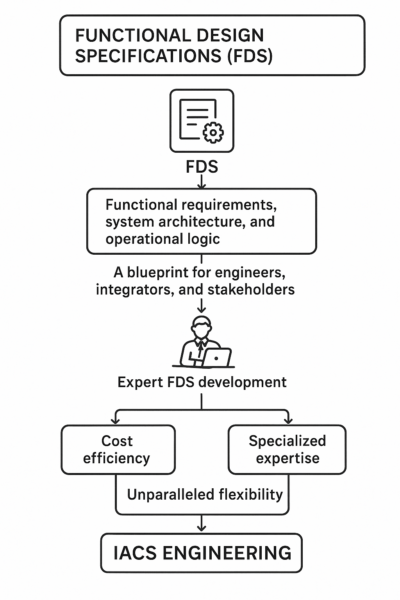
FDS Development Consultancy – Obligation Free 15 mins Session
$0.00 Add to cart -
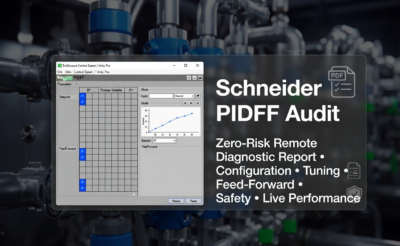
Schneider Electric PID (PIDFF) – Comprehensive Audit & Diagnostic Report
$950.00 Add to cart -
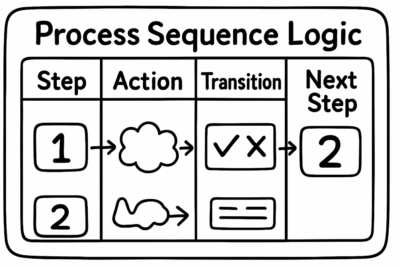
ISA/IEC-Compliant Process Sequence Logic Modeling – Obligation Free 15 mins Session
$0.00 Add to cart -
Industrial Automation and Control Systems (IACS) Engineering – Free 15 Mins Consultation
$0.00 Add to cart